Living in the Lowcountry means making peace with a climate that is as beautiful as it is unpredictable, swinging from sweltering humidity to sudden, violent thunderstorms in an afternoon. You know what? That charm we all love comes with a maintenance price tag, and your home is usually the one footing the bill. If you aren’t staying ahead of the moisture and the heat, the weather is slowly working against your biggest investment.
The Battle Against Moisture and Drafts
Let’s be honest for a second. The biggest enemy of any Savannah home isn’t the occasional cold snap; it’s the relentless moisture. Between the humidity that hangs in the air like a wet blanket and the sideways rain during hurricane season, water is always trying to get in.
Your first line of defense? It’s usually right under your nose. Or rather, under your feet at the front door.
Weatherstripping is one of those things that sounds boring until you realize how much conditioned air you’re losing. If you can see daylight peeking through the bottom of your door, you are literally throwing money out into the street. And with energy costs what they are, who wants to do that?
Here is a quick breakdown of what to look for:
- V-Strip (Tension Seal): Great for the sides of sliding windows or doors. It’s durable and invisible if you do it right.
- Felt: It’s cheap and easy to install, but honestly? It doesn’t last long in our humidity. It rots or tears.
- Door Sweeps: These bolt or stick to the bottom of the door. Essential for keeping out drafts and the occasional palmetto bug (we all hate them, but they are a fact of life here).
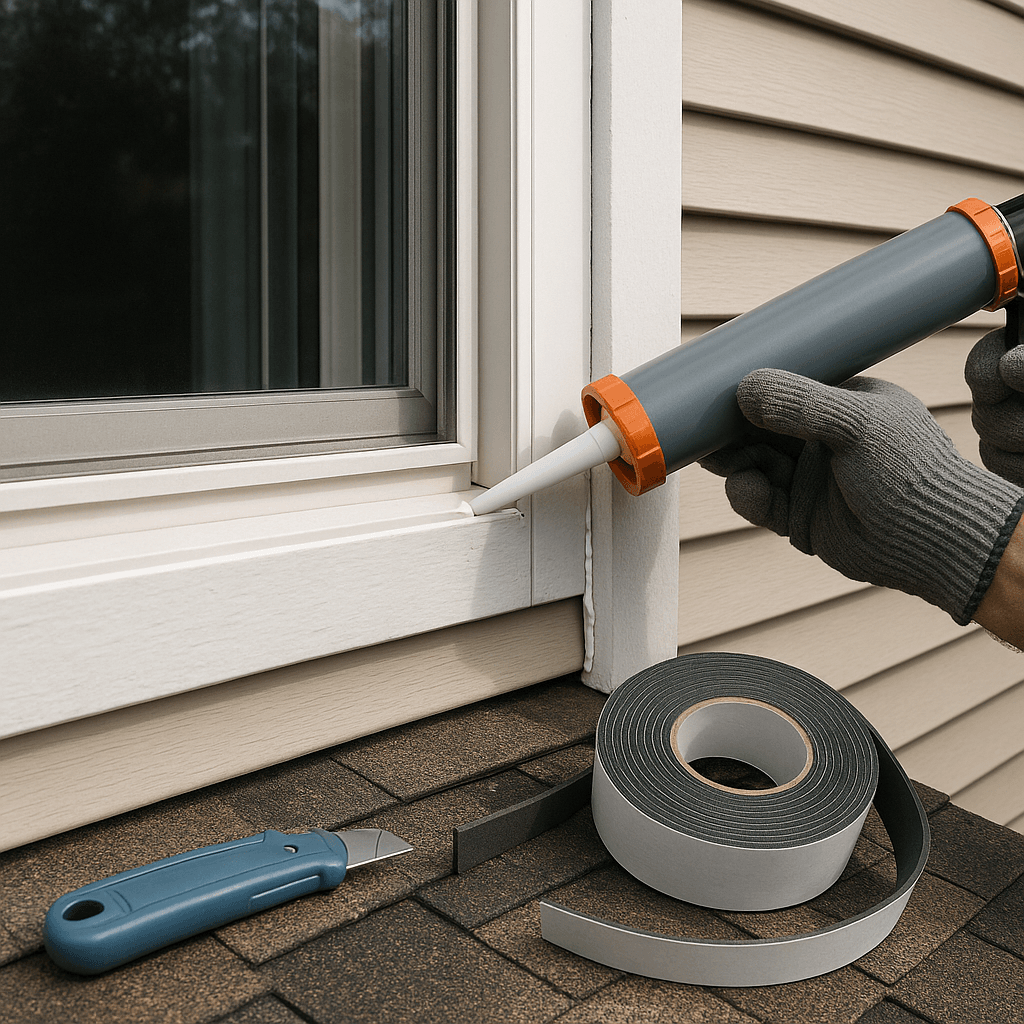
Check your windows, too. The glazing—that putty holding the glass in older frames—can crack over time. If you have an older historic home downtown or in Ardsley Park, this is critical. Recaulking these spots seals the deal.
Your Roof and Gutters: The First Line of Defense
You might not think about your gutters until they are overflowing like a waterfall during a summer storm, but by then, it’s a bit late. In Savannah, we have a specific problem: pine straw and Spanish moss.
They look lovely on the trees, but they are an absolute nightmare for your drainage.
When your gutters get clogged, water has nowhere to go but over the edge. This splashes back onto your fascia boards and siding. Over time, this leads to wood rot. It’s insidious because you often don’t see the damage until the wood is soft to the touch.
A Simple Maintenance Routine
I tell homeowners this all the time: keep your feet on the ground if you can, but get those gutters clean. If you aren’t comfortable on a ladder—and plenty of folks aren’t—hire a handyman. It’s cheaper than replacing a rotted soffit.
Also, look at your downspouts. Are they dumping water right at the foundation? You want that water moving at least four to six feet away from the house. Splash blocks or flexible downspout extenders are cheap fixes that save your foundation from settling.
Siding and Exterior Walls
Your house’s “skin” takes a beating. The sun here is intense, and the UV rays break down paint and sealants faster than you might expect. Then comes the mildew. If you look at the north side of your house, you might see that familiar green tint. That’s algae and mildew loving the shade and humidity.
Pressure washing is the go-to solution, but you have to be careful. Blast it too hard, and you force water behind the siding, which creates mold problems inside the walls. Soft washing is usually safer for vinyl and wood siding.
Here is a quick guide on what to check based on your home’s exterior:
| Material | Common Issue | The Fix |
|---|---|---|
| Vinyl Siding | Cracks or warping from heat | Inspect annually; replace damaged panels immediately to prevent water intrusion. |
| Brick | Crumbling mortar (pointing) | Tuckpointing is needed to seal gaps. Water freezing in these cracks (rare, but it happens) can pop the brick face off. |
| Wood/Clapboard | Peeling paint and rot | Scrape, prime, and paint. If the wood is soft, it needs to be cut out and replaced, not just painted over. |
The Attic: Where Energy Bills Go to Die
Let’s talk about the attic. In July and August, your attic can easily reach 140 degrees if it isn’t properly vented. That heat radiates down into your living space, making your air conditioner work harder than a shrimp boat in peak season.
Weatherproofing isn’t just about keeping rain out; it’s about keeping conditioned air in.
Insulation naturally settles over time. If you peek into your attic and can see the floor joists, you probably don’t have enough. Adding a layer of blown-in cellulose or fiberglass batts can make a massive difference in how your home feels.
But here is the catch: don’t block your soffit vents. Those are the vents under the eaves of the roof. They need to breathe. If you stuff insulation over them, you cut off airflow, and that traps moisture. Trapped moisture in an attic leads to mold, and nobody wants to deal with remediation.
Plumbing: Preparing for the Occasional Freeze
I know, I know. It’s Savannah. It doesn’t freeze often. But when it does? It’s chaos. Because our pipes aren’t usually buried as deep as they are up north, and our crawl spaces are often vented, we are vulnerable to burst pipes during those freak cold snaps.
You don’t need to go crazy, but a little preparation goes a long way.
- Insulate exposed pipes: Any pipe in a crawl space or attic should have a foam sleeve. It’s cheap insurance.
- Cover hose bibs: Disconnect your garden hoses in late November. Install those foam faucet covers on the outdoor spigots. It takes five minutes and saves you a flooded yard.
- Know your shut-off: Do you know where your main water shut-off valve is? Find it now. If a pipe bursts, you don’t want to be scrambling in the dark trying to find the valve while your kitchen floods.
Deck and Porch Care
We live on our porches here. It’s part of the culture. But wooden decks are constantly expanding and contracting with the moisture and heat.
If your deck has turned a greyish silver color, the wood fibers are drying out. You might think it looks rustic, but it’s actually the wood crying for help. A dry deck splinters and cracks, allowing water to get deep into the grain.
Sealing or staining your deck every two to three years is essential. To test if your deck needs it, pour a glass of water on the boards. Does it bead up? You’re good. Does it soak in and make a dark spot? You need to seal it.
Also, check the ledger board—that’s the piece of wood attaching the deck to the house. If the flashing (the metal strip that directs water away) is rusted or missing, water could be rotting the rim joist of your house. That is a structural issue you do not want to ignore.
A Note on Caulking
If you only do one thing after reading this, let it be this: buy a high-quality caulk gun and a few tubes of exterior-grade silicone or latex caulk. Walk around your house. Look for gaps around:
- Window frames
- Door frames
- Where siding meets trim
- Utility penetrations (where pipes or wires enter the house)
These tiny gaps add up. Sealing them keeps out water, yes, but it also keeps out ants and roaches. It’s a small weekend project that pays for itself immediately. Just make sure you scrape out the old, cracked caulk before applying the new stuff. Layering new over old never works—it just peels off in a month.
Don’t Let the Weather Win
Maintaining a home in Savannah is a labor of love. The salt air, the humidity, and the storms are just part of the package deal for living in such a beautiful place. But you don’t have to let the elements wear down your home. A little proactive maintenance keeps the water out and the cool air in.
However, we get it. Climbing ladders to clean gutters or crawling under the house to insulate pipes isn’t everyone’s idea of a fun weekend. Sometimes, you just want to sit on the porch with a glass of tea and let someone else handle the hard work.
If you have noticed a drafty door, a bit of rot on the siding, or just want a professional to give your home a weatherproofing check-up, give us a shout. We handle the honey-do list so you don’t have to.