You’ve got that brand-new 65-inch TV sitting in the box, or maybe a stunning piece of art you picked up downtown, just leaning against the wall, waiting for its moment. It’s been there for weeks, hasn’t it? Honestly, getting up the nerve to drill that first hole is the hardest part of the whole process because nobody wants to turn their living room wall into Swiss cheese.
Let’s Talk About “The Fear” First
Here’s the thing about wall mounting: it feels permanent. When you put a nail or a screw into drywall, it feels like a commitment, almost like getting a tattoo but for your house. But let me let you in on a little secret that contractors know—drywall is incredibly forgiving.
If you mess up, a little spackle and a dab of paint make the mistake vanish like it never happened. So, take a deep breath. We aren’t performing surgery here; we are just hanging stuff up. The goal is to get your home looking like you actually live there, rather than like you’re still in the middle of moving in.
The Tool Situation: What You Actually Need
Most mounting kits come with a little bag of hardware. You know the one—it has those flimsy plastic anchors and screws that look like they’d snap if you looked at them wrong. Do yourself a favor and throw those in the trash. Seriously.
To do this right, especially here in Savannah where our homes range from brand new builds to historic distinct properties with questionable wall composition, you need a proper toolkit. You don’t need a whole workshop, but you do need a few reliables.
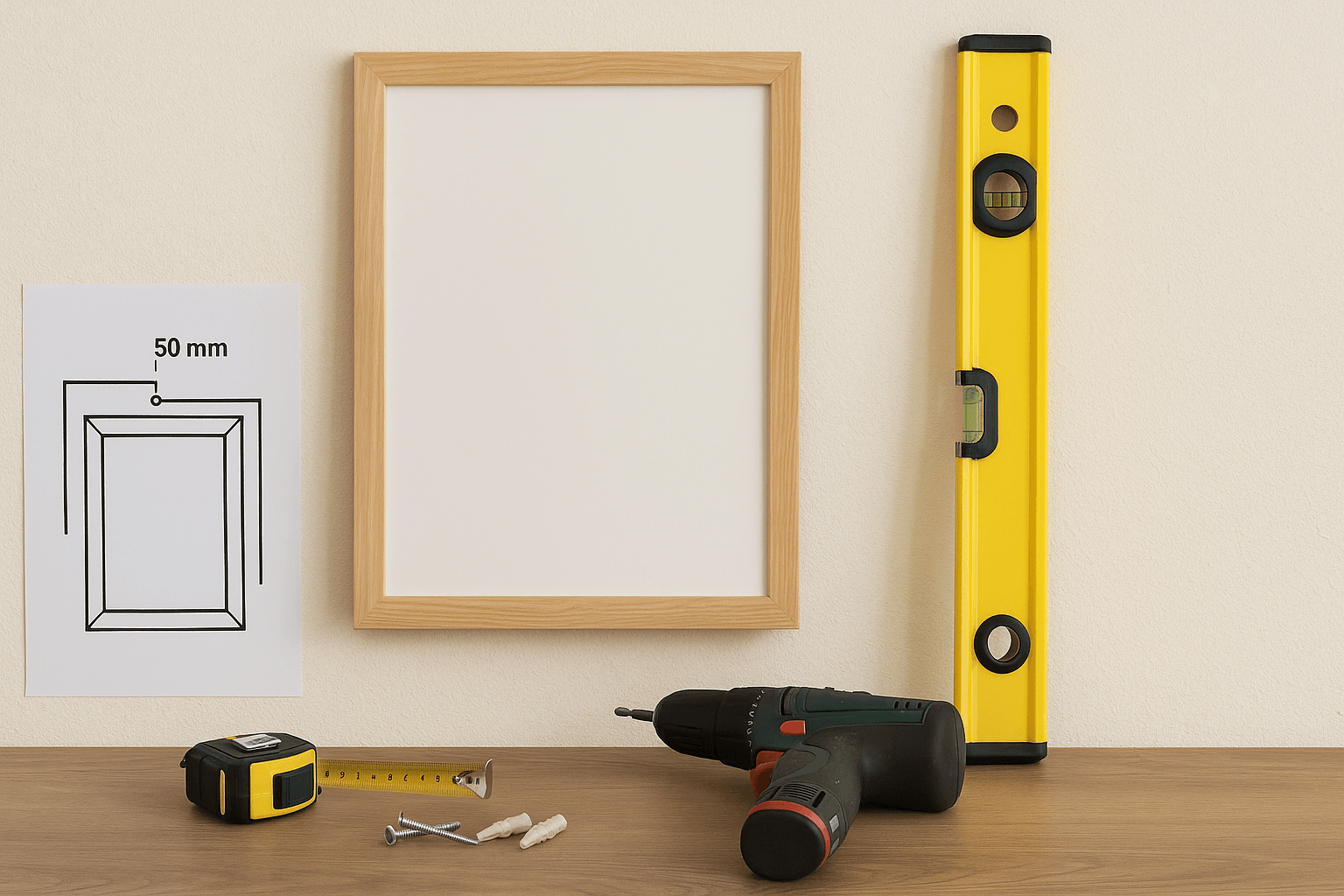
- A decent power drill: It doesn’t have to be top-of-the-line, but it needs to have enough torque to drive a screw into a stud.
- A stud finder: The magnetic ones are old school, but the digital ones that detect density are generally easier for beginners.
- A torpedo level: This is just a small level. Trusting your eyes is a rookie mistake; your eyes will lie to you, especially if the ceiling or floor isn’t perfectly level (which, let’s be honest, they never are).
- Painter’s tape: This is the unsung hero of wall mounting. I’ll explain why in a minute.
- The right anchors: We will get to this, but toggle bolts are usually your best friend.
The Savannah Factor: Drywall vs. Lath and Plaster
If you live out in Pooler or in a newer subdivision, you likely have standard drywall. It’s predictable. You have wooden 2×4 studs spaced 16 inches apart, with sheets of gypsum board over them. It’s easy to work with.
However, if you are in a charming bungalow in Ardsley Park or a historic home downtown, you might be dealing with lath and plaster. This is a whole different ball game. Behind that smooth wall surface are horizontal strips of wood (lath) covered in hardened plaster.
Why does this matter? Because a standard stud finder will get confused by the lath. It thinks the whole wall is a stud. Plus, the plaster is brittle. If you try to hammer a nail into it, a chunk of your wall might just pop off. For these walls, you generally need to pre-drill holes using a masonry bit to avoid cracking the surface. It takes a gentle touch and a bit more patience.
Hunting for the Stud
You have probably seen people knocking on walls, looking focused, trying to hear the difference between a hollow “thud” and a solid “thump.” It works for seasoned pros, but for beginners? It’s a guessing game.
Finding the wall stud is the most critical step if you are hanging anything heavy, like a TV or a heavy mirror. Drywall anchors are great, but nothing beats the holding power of wood.
Here is a trick if you don’t have a stud finder: Look for electrical outlets. Outlets are almost always nailed to the side of a stud. If you take the faceplate off (carefully!), you can usually peek inside or slide a thin tool along the outside of the box to see which side the stud is on. From there, studs are usually spaced every 16 inches. Measure over 16 inches, and you should hit the next one.
The “Gallery Height” Rule
One of the biggest mistakes homeowners make isn’t structural; it’s aesthetic. People tend to hang art way too high. You shouldn’t have to crane your neck to admire a family photo.
Museums and galleries use a standard height: 57 inches on center. This means the center of your artwork should be exactly 57 inches from the floor. It feels low when you are standing up with a tape measure, but once the furniture is in place, it looks perfectly balanced.
For TV mounting, it’s a bit different. You want the center of the screen to be at eye level when you are seated. If you mount it over a fireplace (which is popular but often terrible for your neck), you might want a mount that tilts down to reduce the glare and the strain.
Selecting Your Hardware (Don’t Skimp Here)
Okay, let’s get back to those anchors. If you can’t hit a stud, you have to use an anchor.
- Plastic Conical Anchors: These are the cheap ones included with picture frames. They are fine for a light calendar or a small poster. Anything over 5 pounds? Forget it. They pull right out of the drywall.
- Threaded Drywall Anchors: These look like large, coarse screws made of plastic or zinc. You screw them directly into the wall, and then screw your hook into them. They are fantastic for medium-weight items (up to 25-40 lbs). They bite into the drywall and hold surprisingly well.
- Toggle Bolts: These are the heavy lifters. They have metal wings that fold up to go through the hole and then spring open behind the wall. If you are hanging a heavy mirror or a shelving unit and cannot find a stud, toggle bolts are the only way to go. They clamp the wall from behind, distributing the weight across a larger area.
The Painters Tape Trick
Remember the painter’s tape I mentioned? Here is how to use it to save your sanity.
Trying to hold a heavy object up with one hand while marking hole locations with a pencil in the other is a recipe for disaster. Instead, flip your object over. Place a strip of painter’s tape across the back, covering the mounting holes. Use a pen to poke holes in the tape exactly where the screws need to go.
Now, peel the tape off the object and stick it on the wall. Use your level to make sure the tape is straight. Boom. You now have a perfect template. You can drill right through the tape, peel it away, and insert your anchors. No guessing, no extra pencil marks on the wall.
Also, here is a messy-prevention tip: Fold a Post-it note or another piece of tape into a little shelf and stick it directly under where you are drilling. It will catch the drywall dust so it doesn’t rain down onto your carpet.
Managing the Cable Chaos
If you are mounting a TV, the job isn’t done when the screen is on the wall. If you leave a rat’s nest of black cables dangling down, it ruins the clean look you were going for.
You have two main options here. The “pro” way involves cutting holes in the drywall and running wires behind the wall (just make sure your wall isn’t filled with horizontal fire blocks or insulation that makes this impossible).
The easier, renter-friendly route is paintable cord covers. These are plastic channels that stick to the wall. You snap the cords inside, paint the cover the same color as your wall, and they practically disappear. It makes a massive difference in the final polish of the room.
Dealing with Heavy Items
When you are dealing with something truly heavy—like a 75-inch TV or a solid oak bookshelf—you cannot rely on luck. You need to ensure you are hitting the center of the stud.
When you drill your pilot hole (the small hole you make before the big screw), you should feel consistent resistance. If the drill creates a hole and then suddenly pushes through into empty space, you missed the stud or just grazed the edge.
If that happens, don’t panic. Move over half an inch and try again. Your mounting bracket will likely cover the “oops” hole anyway. It is better to have an extra hole in the wall than a shattered TV on the floor.
When to Call in the Cavalry
Look, DIY is satisfying. There is a real sense of pride in looking at a perfectly leveled gallery wall and saying, “I did that.” But sometimes, the project is just more annoyance than it’s worth. Maybe you don’t have the tools, or maybe your Savannah home has those tricky plaster walls that crumble if you look at them wrong.
Or perhaps you just don’t want to spend your Saturday afternoon arguing with a stud finder and vacuuming up drywall dust. That is totally valid. Time is money, right?
If you are looking at a project that feels a little out of your depth, or you just want to ensure your heavy expensive electronics stay on the wall where they belong, we are here to help. We have the masonry bits, the heavy-duty toggles, and the experience to handle everything from simple art installation to complex TV mounting.