You know that feeling when you walk into your home on a humid July afternoon in Savannah, expecting a blast of cool air, but it feels… heavy? It might not be your AC unit failing you; it could be the hidden maze of metal and flexible tubing running through your attic and crawlspace. If you’ve been sneezing more than usual or your energy bill is creeping up for no obvious reason, it’s probably time to look at air duct handyman services.
Contents
Wait, What’s Actually Living in Your Vents?
Let’s be honest for a second. When was the last time you thought about the inside of your air ducts? If you’re like most folks, the answer is “never” or “maybe when I bought the house.” Out of sight, out of mind, right? But here’s the thing—your ductwork is essentially the respiratory system of your home. When it’s clogged, your house is practically wheezing.
In Savannah, we deal with a specific cocktail of airborne irritants. We have that yellow pollen that coats everything in the spring, high humidity that invites mold, and the usual dust and pet dander. Over time, this stuff settles inside your ducts.
You might think, “It’s just a little dust, who cares?” But when you turn on your HVAC system, it pushes air over that debris, circulating it right back into your living room. It’s a cycle. You clean the coffee table, and three hours later, there’s a fine film of gray dust on it again. Frustrating, isn’t it?
Common culprits lurking in Savannah ductwork:
- Construction debris: You’d be shocked at how many new homes have drywall dust and sawdust left in the vents from the builders.
- Mold and Mildew: Thanks to our coastal humidity, condensation inside uninsulated ducts can create a breeding ground for fungi.
- Pest remnants: Sometimes bugs (or worse) find their way in and… well, they don’t always find their way out.
It’s Not Just About Being Clean—It’s Your Wallet, Too
Nobody likes throwing money away, but if your ducts are leaky or clogged, that’s exactly what’s happening. Imagine trying to drink a thick milkshake through a straw that has pinholes all over it. You’re sucking hard, working your lungs to exhaustion, but you’re barely getting any milkshake.
That’s your HVAC system with leaky ducts.
When your ducts have holes, gaps at the seams, or disconnected joints, your AC unit has to work overtime to cool the house. It runs longer, wears out faster, and drives your electricity bill through the roof. A skilled handyman air duct specialist doesn’t just clean; they inspect for these inefficiencies.
Here is a quick look at how neglected ducts compare to well-maintained ones:
| Feature | Dirty/Leaky Ducts | Maintained/Sealed Ducts |
|---|---|---|
| Airflow | Restricted, weak at registers | Strong, consistent pressure |
| Energy Bill | 20% to 40% higher than necessary | Optimized for efficiency |
| Dust Levels | Dust returns hours after cleaning | Surfaces stay cleaner longer |
| HVAC Life | Reduced due to strain | Extended lifespan |
So, What Does an Air Duct Handyman Actually Do?
There’s a misconception that you always need a massive, specialized HVAC engineering team to touch your vents. For major system replacements? Sure. But for maintenance, repairs, and optimization, a Savannah Handyman is often the more practical, cost-effective choice. We focus on the physical condition of the distribution system.
Inspecting and Sealing Leaks
This is huge. Most ductwork in older Savannah homes—and plenty of new ones—is leaky. We don’t use “duct tape” to fix it. Ironically, duct tape is terrible for ducts because the adhesive dries out and fails with heat cycles. We use mastic sealant or professional-grade aluminum foil tape. It’s messy stuff to apply, painting a thick, gooey paste over the joints, but once it hardens? It’s airtight forever.
The Cleaning Process
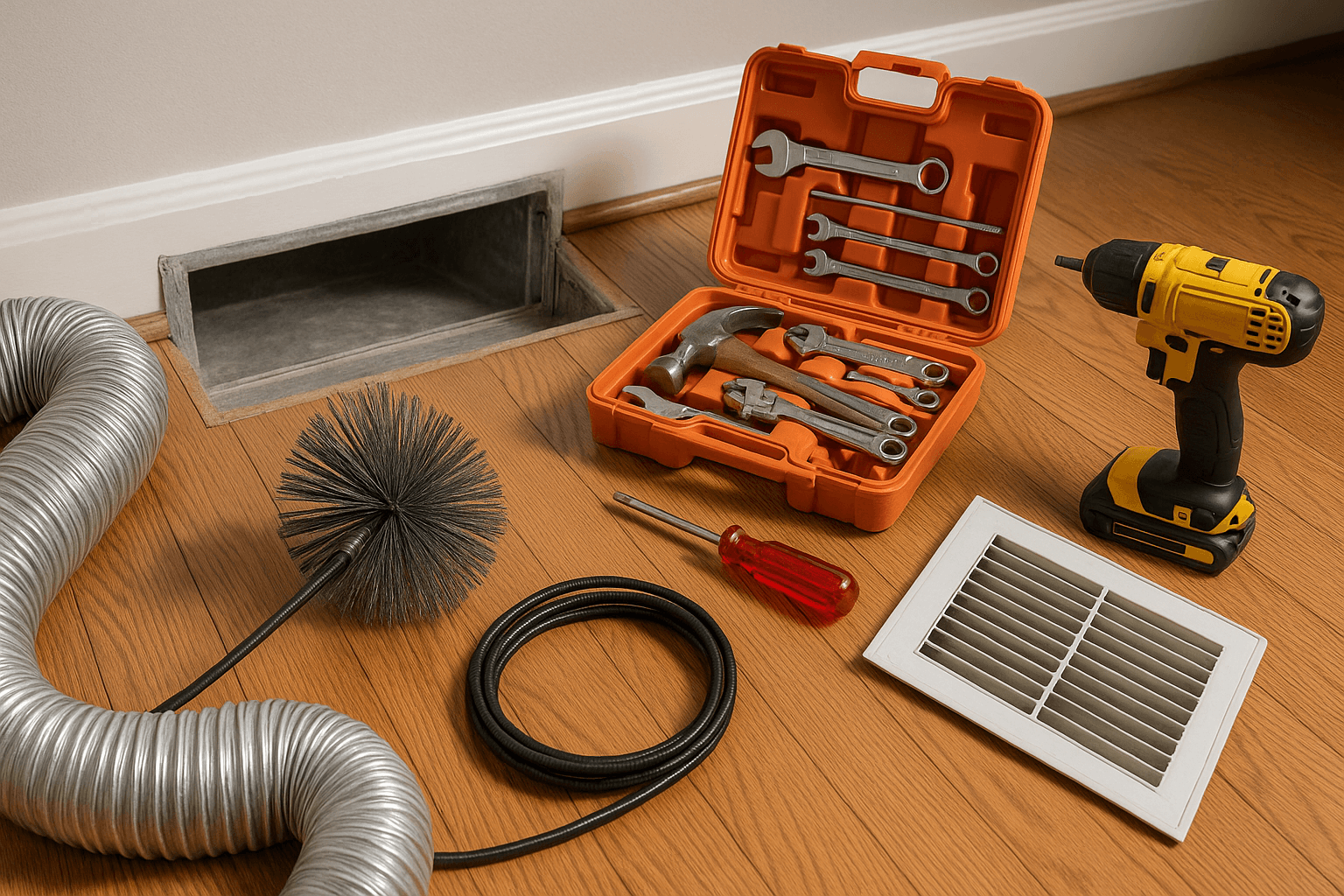
We get in there to remove the buildup. It’s not just sticking a vacuum hose in the register; it’s about loosening the caked-on dust so it can be extracted. This improves the indoor air quality immediately.
Vent and Register Replacement
Sometimes the problem is cosmetic or mechanical at the exit point. Maybe your vent covers are painted shut (we see this all the time in renovated historic homes) or the dampers are rusted and won’t open. Replacing old, rusty registers with new, efficient ones can change the whole look of a room and improve airflow.
Is It Time to Call a Pro? (The Smell Test)
You might be wondering if you really need this service or if you’re just being paranoid. Listen to your house. It usually tells you when something is wrong, you just have to know what to listen—or smell—for.
Signs you need to book an appointment:
- The Scent of “Old House”: If you smell a musty or stale odor every time the AC kicks on, you’ve likely got mold or mildew in the ductwork or the drip pan.
- Hot and Cold Spots: Is the master bedroom freezing while the guest room feels like a sauna? This often points to a disconnected duct or a major leak in the attic.
- Whistling Noises: If your vents sound like they are whistling a tune, you probably have a blockage or a loose seal creating a bottleneck.
- Visible Dust Trails: Look at the wall or ceiling right around your vent cover. See those dark, gray streaks? That’s called “ghosting,” and it means dirty air is escaping the vents.
Savannah’s Humidity: The Silent Duct Killer
Let’s circle back to the weather for a second because it matters. In drier climates, ducts just get dusty. In Savannah, GA, ducts get wet.
If your ductwork runs through a crawlspace or an unconditioned attic, the temperature difference between the cold air inside the duct and the hot, humid air outside of it can cause condensation. It’s just like a glass of iced tea sweating on the porch. If that duct isn’t properly insulated and sealed, that sweat soaks into the insulation or drips onto your ceiling.
A handyman can spot where insulation has fallen off or where the vapor barrier is torn. Fixing these small issues prevents massive water damage repairs down the road. It’s preventative maintenance that pays for itself.
DIY vs. Calling the Pros
Can you clean your own ducts? Well, sort of. You can certainly unscrew the vent covers and vacuum as far as your arm can reach. And honestly, you should do that! It helps.
But here is where it gets tricky. Most modern ductwork involves “flex duct”—those silver, crinkly tubes that look like robot arms. They are relatively fragile. If you shove a shop vac hose aggressively into a flex duct, you can easily tear the inner lining. Once that lining is torn, insulation fibers get sucked into the airflow, and you’re breathing fiberglass. Not good.
A professional knows how to navigate the system without damaging it. We have the tools to reach the deep recesses of the main trunk lines without tearing up the delicate components. Plus, crawling around a Savannah attic in the summer isn’t exactly a picnic. Let us handle the heat while you stay downstairs in the cool.
Breathe Easier in Your Own Home
Your home should be your sanctuary, not the reason you’re reaching for the antihistamines every morning. Ignoring your air ducts is easy to do, but giving them a little attention can make a massive difference in how your home feels and smells. Whether it’s sealing up those energy-wasting leaks, replacing old rusty vents, or just clearing out years of accumulated dust, the goal is a healthier, more efficient home.
You don’t have to tolerate uneven cooling or dusty furniture. Getting your airflow right is one of the most satisfying home improvements you can make because you feel the difference instantly.
Ready to stop the sneezing and start saving on energy bills? We’re local, we know Savannah homes, and we’re ready to help you breathe a little easier.